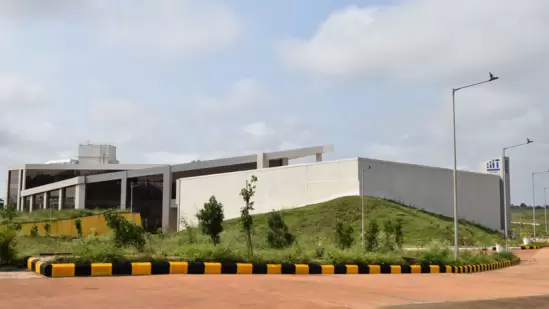
M.Tech in Computer Science & Engineering (Specialization: Cloud Computing)
The M.Tech in Computer Science & Engineering with a specialization in Artificial Intelligence and Machine Learning is a two-year online postgraduate program, featuring on-campus immersion sessions, designed for professionals and students aiming to develop advanced expertise in AI, intelligent algorithms, and data-driven solutions. The program combines research-focused learning, practical projects, and industry exposure to equip participants for impactful careers in technology leadership, product development, and research. Graduates will gain the skills to design and implement intelligent systems capable of learning, adapting, and evolving across diverse industries.
Eligibility Criteria:
- Educational Qualification : Any Graduate with a background in B.Tech / B.E., M.Sc., or M.C.A.
- Academic Performance:
- General / OBC category
- Minimum CGPA/CPI: 6.5 on a 10-point scale, or Minimum aggregate percentage: 60%.
- SC / ST / PwD category
- Minimum CGPA/CPI: 6.0 on a 10-point scale, or Minimum aggregate percentage: 55%.
- Check Eligibility
Program Objectives
Master Advanced Cloud Technologies
Gain a deep and practical understanding of cloud architecture, virtualization, DevOps, and microservices to design scalable, high-performing solutions.
Design & Optimize Cloud Systems
Learn to plan, deploy, and manage secure, efficient, and cost-effective cloud infrastructures tailored to evolving business and technical needs.
Foster Research & Innovation
Cultivate strong analytical and research skills to address challenges in distributed computing, data management, and network optimization within modern cloud environments.

Build Hands-On Technical Expertise
Strengthen real-world capabilities through guided projects, case studies, and simulations using leading cloud platforms such as AWS, Microsoft Azure, and Google Cloud.
Lead in Security & Compliance:
Develop a strong foundation in cloud governance, compliance frameworks, and data protection mechanisms to ensure trust, transparency, and resilience.
Advance Career & Leadership Readiness
Prepare to take on leadership roles in cloud engineering, solution architecture, consulting, and technology management with a future-ready mindset.
Learning Outcomes for Cloud Computing Professionals
Implement DevOps Practices: Apply continuous integration, continuous deployment (CI/CD), container orchestration, and automation tools for seamless and efficient software delivery.
Ensure Cloud Security & Compliance: Integrate robust encryption, identity management, and compliance frameworks to safeguard data and maintain regulatory standards.
Optimize Cloud Resources: Monitor, analyze, and enhance cloud performance, cost efficiency, and availability through data-driven strategies and analytics tools.
Drive Innovation in Cloud Ecosystems: Design and develop innovative cloud-native applications leveraging serverless computing, edge technologies, and hybrid infrastructures.
Demonstrate Technical & Strategic Impact: Apply acquired skills through a research-driven capstone project that addresses real-world challenges and delivers measurable business impact.
Program Highlights
Prestigious M.Tech Degree
Earn a recognized M.Tech in Computer Science & Engineering with a specialization in Cloud Computing from an Institute of National Importance, empowering your career in advanced computing technologies.
Advanced, Industry-Relevant Curriculum
Master critical concepts in Cloud Architecture, Virtualization, Containerization, DevOps, Distributed Systems, and Cloud Security, integrated with fundamental engineering principles.
Hands-On Campus Immersion
Participate in a 7-day on-campus immersion at IIIT Dharwad featuring live demonstrations, hands-on cloud deployment labs, and expert interactions.
Career Readiness
This program also offers a career readiness workshop focused on resume building and LinkedIn profile optimization to enhance professional visibility and job readiness.
Expert Faculty Guidance
Learn under the mentorship of IIIT Dharwad’s esteemed faculty and industry leaders who bring a blend of research-driven teaching and real-world cloud implementation experience.
Capstone Project
Apply theoretical knowledge to a comprehensive cloud-based project — designing, implementing, and optimizing scalable cloud solutions for real-world challenges.
IIIT Dharwad Alumni Status
Become part of IIIT Dharwad’s elite network of cloud computing experts, innovators, and technology leaders advancing the digital infrastructure landscape.
Course Structure
| Course Type | Course Name | Credits |
|---|---|---|
| DisCore |
Applied Mathematics for Computer Science Unit 1: Linear Algebra Unit 2: Optimization Unit 3: Probability and Stochastic Process |
3 |
| DisCore |
Advanced Data Structures and Algorithms Unit 1: Growth Functions Unit 2: Trees Unit 3: Graph Algorithms Unit 4: Algorithm Design Strategies Unit 5: Complexity Classes |
3 |
| DisCore |
Programming Paradigms Lab Unit 1: Procedural Programming Unit 2: Object-Oriented Programming (OOP) Unit 3: Functional Programming Unit 4: Concurrent & Parallel Execution Unit 5: Declarative and Logic Programming Unit 6: Scripting & Automation |
2 |
| Elective |
Introduction to AI/ML Unit 1: Introduction to AI Unit 2: Problem Solving using Search Unit 3: Knowledge Representation Unit 4: Introduction to Machine Learning Unit 5: Supervised Learning Unit 6: Unsupervised Learning |
1 |
| Elective |
Introduction to Cybersecurity Unit 1: Introduction to Cybersecurity Unit 2: Identity & Access Management Unit 3: Standards & Regulations |
1 |
| DisCore |
Introduction to Cloud Computing Unit 1: Introduction to Cloud Computing Unit 2: Cloud Service Models and Deployment Models |
1 |
| Master’s Core |
Introduction to Research Unit 1: Introduction Unit 2: Literature Review Unit 3: Research Exploration Unit 4: Patenting and Publications Unit 5: Presentation, Report and Thesis Writing Unit 6: Conclusions and Future Scope Unit 7: Principles & Ethics in Research |
2 |
| Project | Project-I | 3 |
| Course Type | Course Name | Credits |
|---|---|---|
| DisCore |
Advanced Computing Lab Unit 1: Advanced Programming and Performance Engineering Unit 2: Parallel Computing Platforms Unit 3: Distributed Computing Frameworks Unit 4: GPU and Accelerated Computing Unit 5: Cloud and Container-based Computing Unit 6: AI/ML Pipeline Engineering |
2 |
| Master’s Core | Literature Review and Seminar | 2 |
| Elective | Electives (1/2/3/4 credits) | 5 |
| Project | Project-II | 6 |
| Course Type | Course Name | Credits |
|---|---|---|
| Project | Project-III | 9 |
| Elective | Electives (1/2/3/4 credits) | 6 |
| Course Type | Course Name | Credits |
|---|---|---|
| Project | Project-IV | 12 |
| Elective | Electives (1/2/3 credits) | 3 |
| Sl. no | Course name | Credits |
|---|---|---|
| 1 |
Introduction to Cloud Computing Unit 1: Introduction to Cloud Computing Unit 2: Cloud Service Models and Deployment Models |
1 |
| 2 |
Distributed and Parallel Systems Unit 1: Introduction and System Models Unit 2: Communication and Coordination Unit 3: Synchronization and Distributed Algorithms Unit 4: Consistency, Replication, and Fault Tolerance Unit 5: Parallel Programming and Performance |
3 |
| 3 |
Security in Cloud Computing Unit 1: Introduction to Cloud Security Unit 2: Identity, Access, and Trust Management Unit 3: Data Security and Privacy in Cloud Unit 4: Infrastructure, Virtualization, and Container Security Unit 5: Compliance, Risk, and Emerging Trends |
2 |
| 4 |
High Performance Computer Architecture Unit 1: Performance Fundamentals Unit 2: Pipelining and Instruction-Level Parallelism Unit 3: Memory Hierarchy and Cache Optimization Unit 4: Multicore Architectures and Memory Consistency |
2 |
| 5 |
Site Reliability Engineering in Cloud Computing Unit 1: Introduction to SRE and Cloud Operations Unit 2: Reliability Metrics and Error Budgets Unit 3: Designing Reliable Cloud Systems Unit 4: Observability and Incident Management Unit 5: Automation, Toil Reduction, and Case Studies |
2 |
| 6 |
Big Data Systems Unit 1: Introduction to Big Data Systems Unit 2: Distributed Storage Systems Unit 3: Batch Data Processing Frameworks Unit 4: Stream Processing and Real-Time Analytics Unit 5: Advanced Topics and System Optimization |
3 |
| 7 |
Edge AI Unit 1: Introduction to Edge AI Unit 2: AI Models for Edge Devices Unit 3: Model Optimization and Acceleration Unit 4: Edge–Cloud Collaboration and Systems Unit 5: Applications, Platforms, and Emerging Trends |
2 |
Alumni Privileges
Students will receive an official Institute Email ID and ID card, and will be eligible to participate in institute events and activities. Upon completion, they become part of the institute’s alumni network.
Tools You'll Master
















*Tool exposure varies by specialization; students may not work with all tools listed.
Assessment & Evaluation
Students will be evaluated through a combination of quizzes, assignments, case studies, and end-term examinations. These diverse assessment methods ensure continuous learning and a well-rounded understanding of the subject.
Pedagogy & Delivery
The program follows a blended learning approach, combining multiple instructional methods to enhance learning outcomes:Engage with faculty and peers through discussions, Q&A, and case study analysis.
Access recorded lectures, readings, and practice exercises to reinforce concepts.
Apply knowledge through projects, simulations, and hands-on assignments.
Participate in group exercises, peer learning, and forums to foster teamwork and practical understanding.

Admission Process

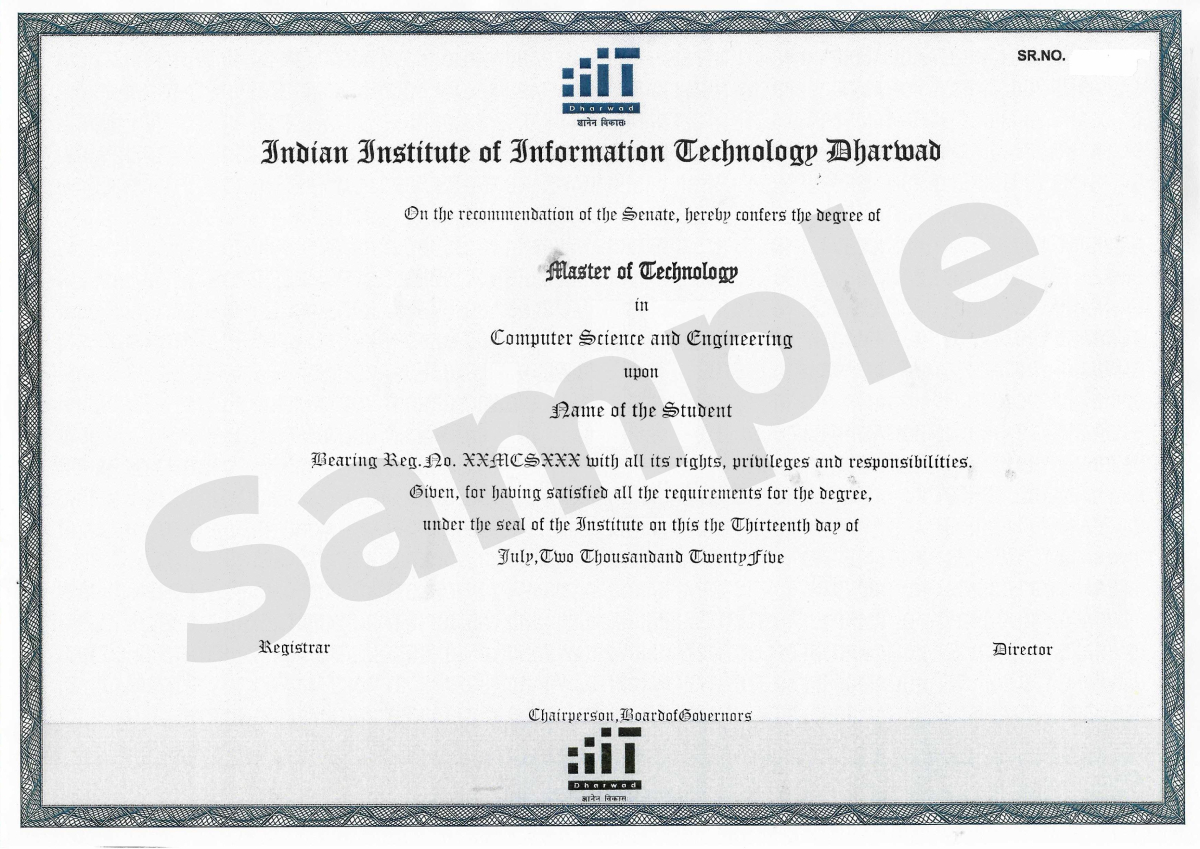
Program Certificate
Program Fee Details
Application Fee
Total Fee
| Sem 1 | Sem 2 | Sem 3 | Sem 4 | ₹ 88,500 | ₹ 88,500 | ₹ 88,500 | ₹ 88,500 |
|---|
*Easy EMI Options are Available
*The application fee is strictly non-refundable and non-transferable.
Refund Policy
A refund is
applicable after a deduction of ₹ 10,000 before commencement of the batch, provided the
course
material has not been accessed or downloaded. No refund will be provided on or after the
batch
commencement date.


Application Fee: ₹ 2,000
Program Fee (Inclusive of Application Fee) : ₹ 3,56,000
Note: The institute is not responsible for EMI-related arrangements.
Campus Immersion
Experience structured on-campus immersions after every semester, designed to strengthen academic engagement, peer collaboration, and faculty interaction. These campus immersions complement the live online learning format by connecting structured online learning with in-person academic engagement within a nationally recognized institute of technology.
What’s Included
-
Academic EngagementFaculty-led sessions, discussions, and academic interactions aligned with the programme curriculum.
-
Peer NetworkingCollaborative learning and networking with fellow participants.
-
Campus ExperienceOpportunity to explore the IIIT Dharwad campus, engage with its academic ecosystem, and gain exposure to labs and research facilities.
What’s Not Included
-
TravelTravel to and from the campus.
-
Accommodation & MealsFood, lodging, and stay arrangements.
-
Personal ExpensesAny personal expenses incurred during the immersion period.

Not Sure If This Is the Right Fit?
Have a quick conversation to understand the academic depth, outcomes, and what this programme really offers. Our experts are here to help you make an informed decision.


Program Coordinator
Dr. Krishnendu Ghosh
Assistant Professor
Indian Institute of Information Technology, Dharwad
Dr. Krishnendu Ghosh is an academician and researcher in the field of Computer Science and Engineering, with a specialization in Speech Processing, Natural Language Processing, and Artificial Intelligence. He earned his M.S. (2012) and Ph.D. (2021) from IIT Kharagpur, where his master’s research focused on text analysis modules for text-to-speech systems, and his doctoral work addressed multimodal and AI-supported enrichment of learning materials. With over 11 years of research experience and 6+ years of teaching experience, Dr. Ghosh is currently serving as an Assistant Professor at the Indian Institute of Information Technology (IIIT) Dharwad. His research interests include speech processing, natural language processing, artificial intelligence, information retrieval, and educational technology, where he has contributed extensively to peer-reviewed journals, international conferences, and funded research & academic projects. Passionate about bridging research, teaching, and real-world impact, Dr. Ghosh mentors undergraduate and postgraduate students in AI/ML and SNLP projects, fostering innovation, critical thinking, and applied research skills among future technology professionals.
Program Faculty
Dr. Abdul Wahid
Assistant Professor
Ph.D. (IIT Dhanbad)
Dr. Animesh Roy
Assistant Professor
Ph.D. (IIEST)
Dr. Dibyajyoti Guha
Assistant Professor
Ph.D. (IIT Bhubaneswar)
Dr. Girish G N
Assistant Professor
Ph.D. (NITK)
Dr. Krishnendu Ghosh
Assistant Professor
Ph.D. (IIT Kharagpur)
Dr. Malay Kumar
Assistant Professor
Ph.D. (NIT Raipur)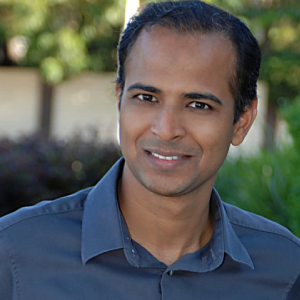
Dr. Milind Chabbi
Professor of Practice
Rice University
Dr. Pavan Kumar C
Assistant Professor
Ph.D. (VIT Vellore)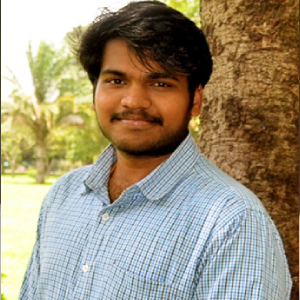
Dr. Prabhu Prasad B M
Assistant Professor
Ph.D. (IIT Bhubaneswar)
Dr. Pramod Yelmewad
Assistant Professor
Ph.D. (NITK Surathkal)
Dr. Shrinivas Kulkarni
Professor of Practice
PhD - University of Edinburgh
Dr. Sunil C K
Assistant Professor
Ph.D. (NITK Surathkal)
Dr. Sunil Kumar P V
Assistant Professor
Ph.D. (NIT, Calicut)
Dr. Suvadip Hazra
Assistant Professor
Ph.D. (NIT Durgapur)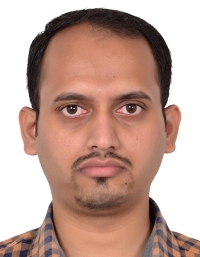
Dr. Vivekraj V K
Assistant Professor
Ph.D. (IIT Roorkee)
Dr. Animesh Chaturvedi
Assistant Professor
Ph.D. (IIT Indore)
Dr. Chinmayananda A
Assistant Professor
Ph.D. (IISc Bengaluru)
Dr. Deepak K T
Assistant Professor
Ph.D. (IIT Guwahati)
Dr. Girish Revadigar
Assistant Professor
PhD (The University of New South Wales (UNSW) Sydney, Australia)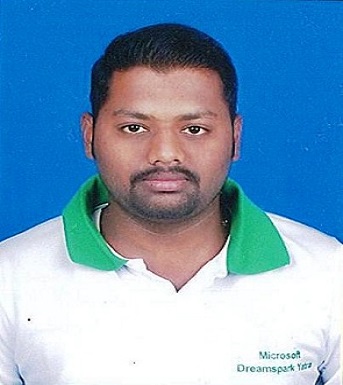
Dr. Manjunath K V
Assistant Professor
Ph.D. (NITK Surathkal)
Dr. Nataraj K S
Assistant Professor
Ph.D. (IIT Bombay)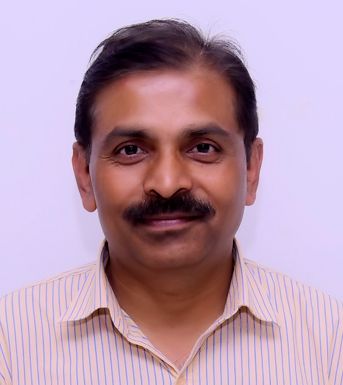
Dr. Rajendra Hegadi
Associate Professor
Ph.D. (MGRRI, Chennai)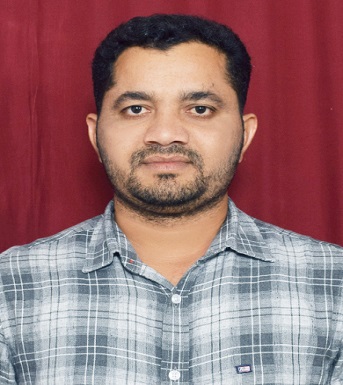
Dr. Ramesh Athe
Assistant Professor
Ph.D. (Osmania University, Hyderabad)
Dr. Shirshendu Layek
Assistant Professor
Ph.D. (IIT Dhanbad)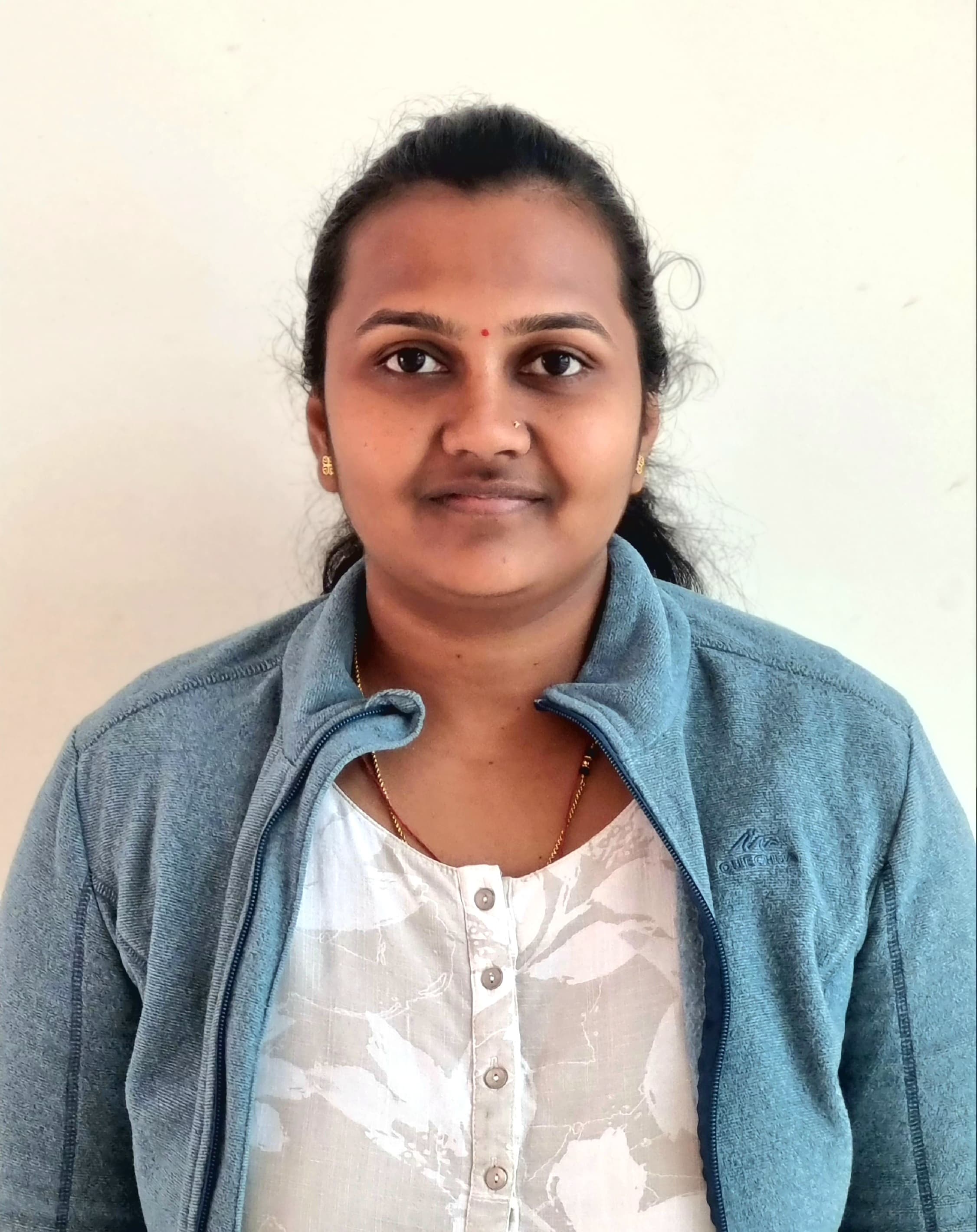
Dr. Shruti Maralappanavar
Assistant Professor
PhD: IIT Dharwad
Dr. Sunil Saumya
Assistant Professor
Ph.D. (NIT Patna)
Dr. Swagatika Sahoo
Assistant Professor
PhD: IIT Patna
Dr. Siddharth R
Assistant Professor
Ph.D. (NIT Puducherry)
Dr. Utkarsh Khaire
Assistant Professor
Ph.D. (NIT Nagaland)
Prof. S R Mahadeva Prasanna
Professor and Director
Ph.D. (IIT Madras)